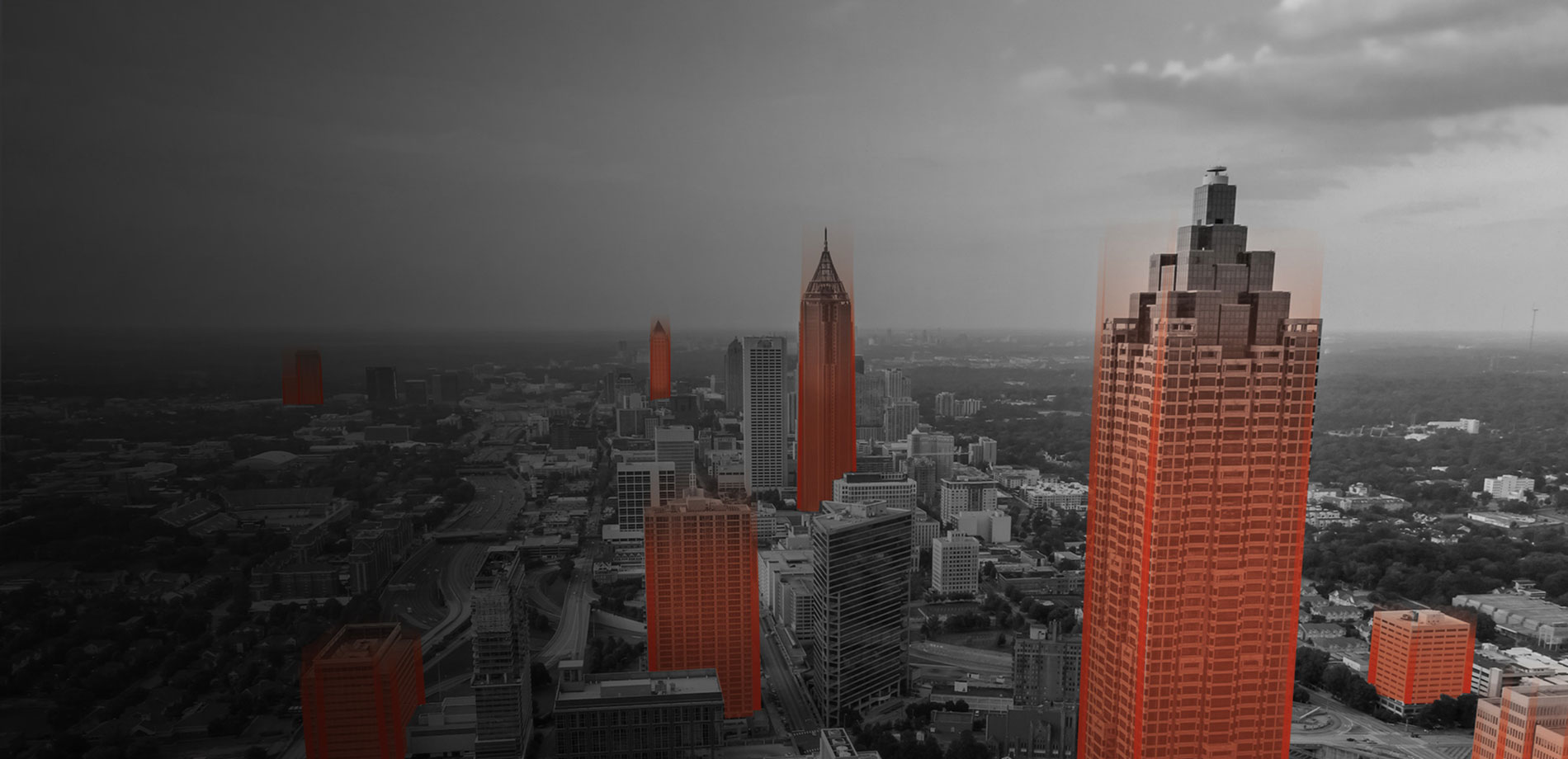
Why Start With Geofencing Marketing & Data Targeting?
Location Is Everything.
Leading with geofencing marketing allows Agencies and Brands to build comprehensive digital marketing full funnels strategies translating into leads, sales, foot traffic monitoring, branding and engagement.
Audience Targeting Tools We Use To Bolster Geofencing Marketing To Drive Leads, Sales, Brand Awareness And Engagement
Programmatic Display
Reach affinity and intent customers via our 25+ ad exchanges.
Facebook Instagram Geofencing
OTT/CTV Advertising
Addressable (Household) Geofencing
More +
Paid Social
Hyper target in-market customers based on intent and shopping behaviors.
Facebook/Instagram
Snapchat
More +
Paid Search & Organic SEO
Reach lower funnel in-market customers who need you now.
Google Adwords
Local SEO & Search Engine Optimization
Microsoft Ads
More +

Data Targeting
Tools to find more lookalike audiences or visualize data performance.
Audience Curation
Analytics & Reporting
CRM Retargeting
More +
You’d Be In Great Hands. These Clients Are




Book A Geofencing Marketing Demo With Our Team
In the marketing discovery calls, we discuss how geofencing can work for you, CPM & Pricing for geofencing marketing, The process of geofencing, how we partner with agencies as well as direct brands.

Brands We Serve
SMB’s and Local Brands deserve access to the best in class advertising technology. From Facebook Geofencing Marketing & OTT Advertising to Call Tracking & Lookalike Modeling, we leverage digital solutions that translate into leads, brand awareness, and engagement. Below are a just a few of the industries we serve:
Agencies We Serve
We created an entire white label partner program just for agencies. We partner with over 500+ marketing consultants and digital agencies who need a partner who gets strategy and can leverage our programmatic display, education and our academy, and geofencing marketing to bring powerful solutions to clients, that are both profitable to their client…and to their agencies. Partners we serve:
- Digital Agencies
- Marketing/Industry Consultants
- TV/Radio Stations
- Technology Companies
- News Publications
More Than Just Results…It’s Process & Partnerships
With countless agencies and brands, leads and conversions is half the battle. The other half is a partner you trust, is proactive in communication and recommendations, and gets strategy.

Case Study I
20% Year Over Year Enrollment…During COVID-19 Pandemic
After inquiring about our OTT Advertising solution, we expanded our relationship with this university to assist with geofencing marketing, ott advertising, google adwords, Facebook, data analytics and call/form tracking to measure everything with our full funnel marketing plan. To say the least, it wasn’t simply the results…client felt like we cared as much as they did about the relationship and the strategy we provided…And it showed.
Case Study II
We Leverage Our Own Digital Advertising…For Ourselves
Everything we do for our clients…we do for ourselves. So it’s never lip service or on the job training. We have processes and full funnel advertising we leverage for ourselves that produces countless leads a day for our agency ranging from inbound marketing and programmatic display to paid media and paid social. These best practices are filed away and brought out for any clients and agencies who need them to grow themselves.
Case Study III
A Testament To Our Clients.And Our Team



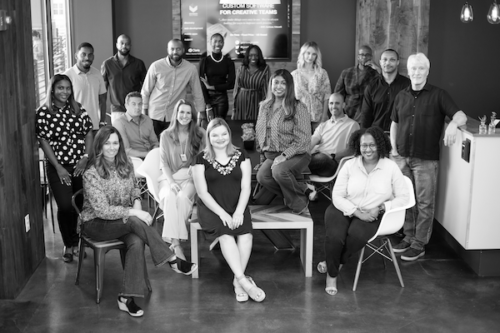
After winning Inc.’s 2020 Best Places To Work & Their Fastest Growing Companies In America, we’ve built an enterprise that not just our client’s can appreciate, but our team can be proud of. Our senior directors have over 10+ years of marketing experience and deep experience in digital strategy, so your engagement is more than just the results. It’s about a partner you can confidently team up with to ensure the growth of your enterprise.
ABL… Always Be Learning
Access A Comprehensive 4-Hour Training On Programmatic Display & Geofencing Marketing
From our industry and product specific webinars to our Partner Academy Course available to our brands, white label partners, and referral partners, we take education seriously. Education only allows us to ask the right questions to uncover more ROI opportunities for brands. And we make it available to you.
Our Marketing Tech Solves Real Business Problems
The same marketing and technology solutions we leverage for clients, we even leverage for ourselves. See how we devise comprehensive SEO and omnichannel marketing full funnel strategies for each of the business marketing challenges.
With our geofencing marketing solution, we can geofence all the way to the contours of buildings, retailers, competitor locations, and other precise areas and reach those based on their intent to buy or other demographic details. And with our conversion zone tracking, we will measure those who saw or clicked on your ads and then came into your brick and mortar location…so we’re attributing an ROI from your online marketing to your offline conversions.
We would combine lower funnel tactics including Geofencing Marketing, Paid Search, Paid Social, Site Retargeting, and Search Retargeting to reach those we know are in-market right now for your products and services. With our tracking capabilities, we would measure phone calls, appointments set, form submissions, email sends, and even chat engagements via your website so we’re able to assign proper attribution and optimize to the channels and sub-tactics bearing the most fruit for you.
Depending on the industry, we would take our client’s data file on their best customers and build look-alike models across their data set including our programmatic exchanges, Facebook & Instagram, CRM Retargeting through our multiple programmatic exchanges, and even leverage geofencing marketing for those brick and mortar location who want to retarget those people who visit their locations. Based on this, we would create models to find more converting customers like them.
With our addressable geofencing solution, we can either ingest of a list of addresses or curate an audience based on demographic and psychographic variables and only reach those at the household level…better than zip code targeting and better than neighborhood targeting. And we’ll be able to measure both online and offline conversions to assign proper attribution to your campaigns.
Have a TV & Radio budget, but getting tired of not knowing if it’s driving walk-ins to your location or online conversions? With our OTT/CTV Advertising and Programmatic Audio campaigns, we can hyper target the people most likely to become a customer and measure both online and offline conversions and leverage our audience curation tool to reach the perfect audience segments.
We would couple the same address list you’re using for your direct mail, and reach those same users a week before and a week after the mail drop with our addressable geofencing solution. We would then layer static banner advertising, pre-roll video, and/or OTT Advertising to those same consumers who receive the direct mailers.
Due to COVID-19, many events and conferences have been canceled, but the ones that are live, we can geofence those events, capture that audience, and retarget them for a period of time. In addition, we can geofence past events, collect those same mobile device ID’s and retarget them for a period of time as well.
We utilize pop ups and chat bots to engage with our website visits and improve our lead flow. We have literally tripled our leads when we implemented these best practices for ourselves, as well as clients we engage with. See how we partner with HubSpot and leverage conversion rate optimization to improve our lead flow.
With the understanding that certain prospects have a longer sales cycle, our team would leverage several B2B channels that focus on in-market users as well as targeted individuals based on their job titles, interests, keyword history, and product/service interests. Utilizing a full funnel strategy, we would deploy Google Adwords, LinkedIn, Keyword Contextual Targeting, Facebook, and Site Retargeting to reach B2B prospects and drive qualified leads to your brand.
We have an entire white label program for agencies and marketing firms that want to scale through geofencing, google ads, analytics, meta advertising, and white label agency. We focus extensively on the growth of our partners and provide a platform and support to help them scale.
Through any and all our client partners who track leads and sales, our team can tie all marketing and advertising efforts to offline and online sales and lead efforts. Visit our CRM lead reconciliation page
Partner Platforms
Our Suite Of Advertising Exchanges To Fit Your Digital Advertising Needs















Real Time Dashboard To Measure All Campaigns
View all your digital marketing channels via one dashboard 24/7…No more excel spreadsheets you receive months after campaigns are launched. Get them the next day. And most importantly, view measurements from phone calls, form submissions, button clicks, and even walk-in conversions from digital your marketing campaigns.
Leverage the reporting at scale with business intelligence insights and data you can make real time decisions from:
Our Analytics & Reporting Features
 Track Walk-In Conversions Via Your Geofencing, Addressable Geofencing & OTT/CTV Advertising Campaigns
Import Any & All Digital channels To Visualize Performance (Google Ads, Facebook & Instagram, Google Analytics, Search Engine Optimization, Call Tracking, LinkedIn)
Better understand the relationship between geofencing and your full funnel tactics
Compare Advertised To Walk-In Foot Traffic To Natural Walk-In Foot Traffic
Visualize data better to optimize and pivot marketing spends in real time for faster improved performance
Download Reports In PDF, Excel, and PPT with your logo to share within teams and for clients
Have A Marketing Problem…Let Us Solve It
Be it A la carte pricing or wanting to book a demo, enter your information and we’ll respond within 4 hours…not 24 hours.
Contact Home
Contact Home Mobile
Email Us
Client Testimonials
I’ve worked with many, many partners in the past and have never had the same level of ownership of client’s goals as Propellant Media exhibits. It’s terrific working with the PM team. They’re all very knowledgeable, flexible and true partners.
Lisa | KSU
They deliver solid, no-nonsense PPC work. Tough to do for a 1,000+ person luxury real estate company.
Craig | Douglas Elliman
They’ve added a whole new line of business to our company. The academy also helped scale our education for our sales team.
Brock | Omnitized
Our agency was on the hunt for a partner to provide geofencing services and Propellant has been the perfect fit. Their team has been great about answering questions, helping us get campaigns off the ground, and providing exceptional customer service. We'll continue to use Propellant for our clients and recommend their services to others in the industry!
Ellie | E Power Marketing
Propellent Media’s digital marketing efforts are highly effective, but customer service is their greatest strength.
Barbara | Undisclosed Locations
Hey, what you guys can do is a bit scary, but cool at the same time. It’s kind of like magic.
Dave | High End Jewelry Store
We saw a large increase in walk-in and web traffic for our clients.
Steve | ES Group Marketing
We are an agency that works with small businesses to create and execute value-added digital strategies. Propellant is our partner for geo-fencing campaigns. They do a wonderful job of working with us to ensure we have the customized campaign for our clients. They are professional and always working to create great and productive campaigns.
Cynthia | Cync Up
The Center was very pleased with the execution of our digital ads. We've had great reach and any time we needed a change to be done, Justin was quick to fix it.
Torrie | Center For Human & Civil Rights
Agencies & Brands We Partner With